
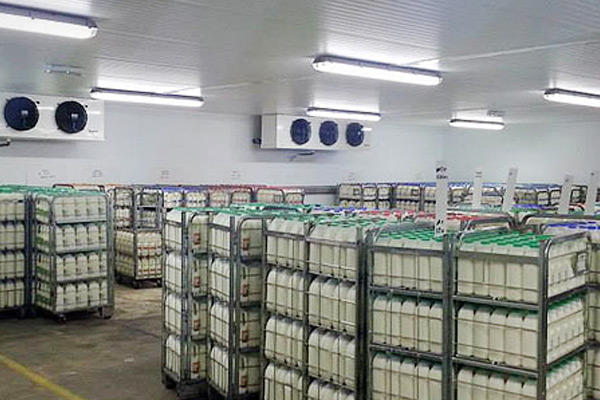
For agri food hubs to work, storage, processing, logistics, trading, and market access need to move as one system. 

This is one of the key ideas behind #Agrilink2026’s theme, “Agri Food Hub Facilities: A Boost to Efficiency in the Value and Market Chains.”
A hub becomes useful when it brings together the services that help products move better across the chain. For farmers, fisherfolk, cooperatives, processors, traders, and buyers, this can mean stronger links across consolidation, trading, processing, logistics, storage, and market access.
This is already reflected in the Department of Agriculture – Philippines’ initiatives. The planned food and agri hub in Clark, Pampanga is expected to cover 46 hectares and serve as a PHP 3.6-billion trading and logistics center, bringing together functions such as wholesale trading, food processing, logistics, and other support facilities.
Other planned hubs also point to the same need for stronger connected systems. The DA has identified food hubs in Pili, Camarines Sur and Manolo Fortich, Bukidnon. The Manolo Fortich hub is planned on a 40-hectare site with a grain terminal, showing how hubs can be designed around the practical needs of production areas and market movement.
For producers, these facilities can help make it easier to consolidate goods, prepare products for buyers, and connect with markets. For processors, traders, logistics providers, and agribusinesses, hubs can support better coordination and more reliable sourcing. For the wider food system, they can help create stronger links between production, processing, distribution, and demand.
At #Agrilink2026, the conversation continues around the facilities, technologies, services, and partnerships needed to make agri food hubs work as connected systems across Philippine agriculture and fisheries.
Join us from October 8 to 10 at the World Trade Center, Pasay City for free seminars and free entrance to the exhibition.